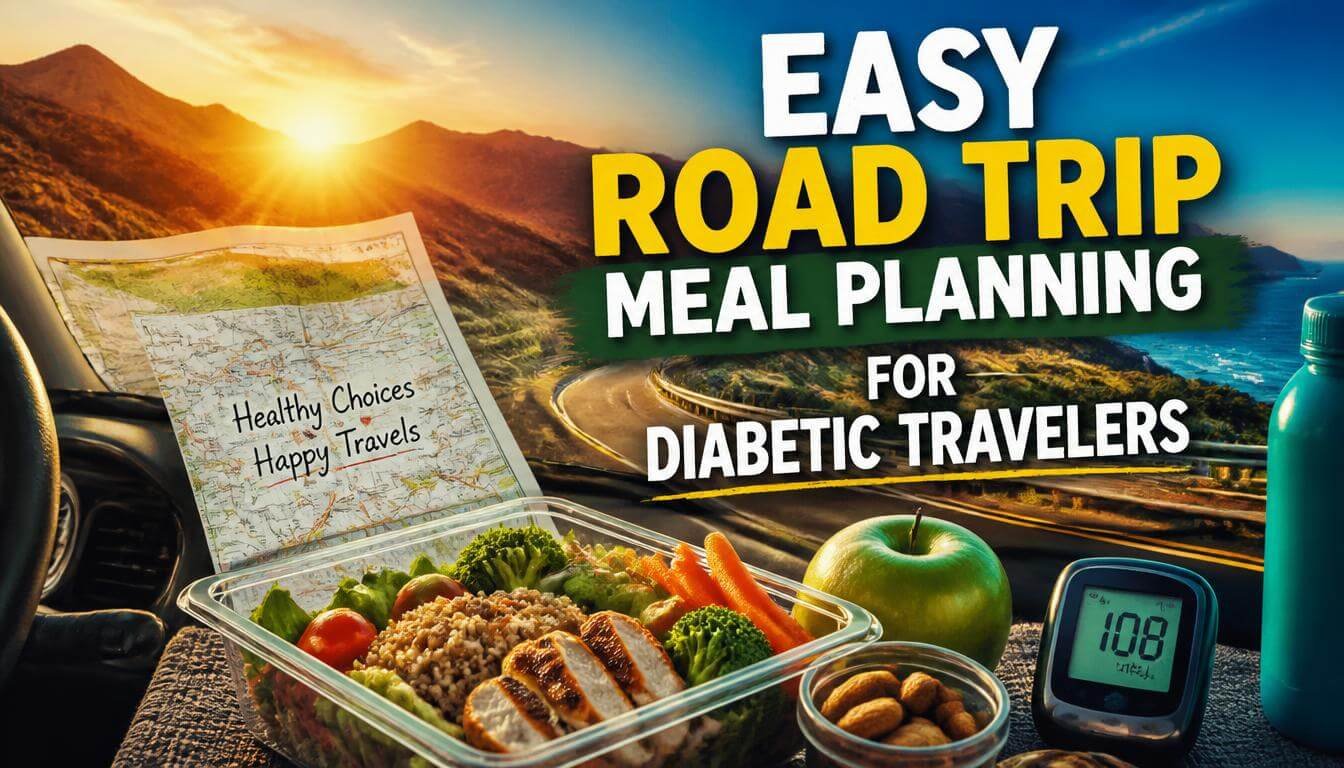
Mastering easy road trip meal planning for diabetic travelers saved my sanity, my health, and my road trips before my blood sugar could ruin another vacation. I still remember the sheer panic of my first long journey, watching the highway miles tick by while constantly dreading the next fast-food rest stop. You deserve total highway freedom, not constant blood sugar anxiety.
Map Out Your Route and Stop Locations First
Planning your stops before you turn the ignition key is the foundation of any low-stress journey. You cannot rely on rural gas stations to stock anything other than high-fructose corn syrup and processed white flour. Use mapping apps like Roadtrippers or Google Maps to spot major grocery stores along your route instead of relying solely on highway rest areas. I like to drop digital pins on my map where large grocery chains are located, which takes the pressure off when lunchtime approaches.
My rule of thumb is to look for a major supermarket chain every three hours. Kroger, Publix, Safeway, or even a local co-op can be a lifesaver when you need fresh berries, pre-washed spinach, or hard-boiled eggs. This takes the guesswork out of where your next meal comes from, preventing those desperate, high-carb gas station impulse buys. Having a designated stop also gives you a built-in opportunity to stretch your legs, which naturally helps keep your insulin sensitivity up during long hours of sitting.

The Core Strategy of Easy Road Trip Meal Planning for Diabetic Travelers
Building a meal prep blueprint that actually works on the highway requires balancing stable blood sugars with sheer convenience. You do not want to be chopping vegetables while driving through a winding mountain pass, nor do you want to eat soggy turkey roll-ups for four days straight. Successful easy road trip meal planning for diabetic travelers relies on dividing your food into two distinct groups: perishable cooler items and shelf-stable dry goods. Keeping these separate prevents your dry goods from getting soggy and makes finding what you need a breeze.
Portion out your carbohydrates into pre-measured bags before you pack. If you know a bag of baby carrots contains exactly twelve grams of carbohydrates, you can dose your insulin or manage your diet without guessing. Keep your glucose monitor or continuous glucose monitor reader easily accessible in the center console rather than buried in the glove box. This upfront preparation takes away the mental fatigue of food math when you are already tired from driving, keeping your focus on the road ahead.
Invest in a High-Quality Cooler Setup
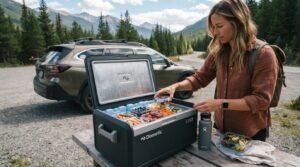
Ice management is not something you want to mess around with when your meals depend on it. A cheap Styrofoam cooler will leave you with floating, waterlogged cheese sticks and warm deli meat by day two, which is a fast track to food poisoning. I swear by my rotomolded Yeti cooler, but any reliable dual-zone cooler that keeps ice for at least forty-eight hours will work. Keeping your dairy and meats at a safe temperature is vital for avoiding spoilage on long summer trips.
Pack your cooler using hard ice packs at the bottom, followed by your heavy containers, and place delicate items like berries on top. Always keep your food in airtight, leak-proof glass or heavy-duty plastic containers like Pyrex or Snapware. This setup prevents melted ice water from turning your carefully prepped grilled chicken breast into a soggy, unappealing mess. If you use loose ice, double-bag everything in freezer-strength zip-top bags to keep dry items completely separated from moisture.
Stock Up on the Ultimate Diabetic-Friendly Snacks
Having the right snacks within arm’s reach prevents the mental fatigue that leads to poor food choices. When hunger strikes on a long stretch of highway, you need low-glycemic options that satisfy your cravings without causing sudden spikes. My go-to shelf-stable snacks include unsalted almonds, pumpkin seeds, and low-sodium beef sticks like Chomps. These items pack plenty of protein and healthy fats to keep your energy levels incredibly stable.
Cheese crisps, such as Whisps, offer that satisfying crunch of potato chips without the massive carbohydrate load. Make sure to pack plenty of water, because dehydration can mimic high blood sugar symptoms and cause your numbers to creep upward. If you want a sweet treat, pack a few packages of sugar-free gelatin or small portions of dark chocolate containing at least eighty-five percent cocoa. Having these pre-portioned prevents mindless overeating while staring at the endless highway asphalt.
Master the Art of the Roadside Assembly Meal
Dining at rest areas does not mean you have to succumb to the fast-food court. You can create delicious, low-carb meals in under five minutes at a picnic table using pre-prepped ingredients. I love making quick low-carb wraps using Mission Carb Balance tortillas, pre-sliced turkey breast, Swiss cheese, and a squeeze of mustard. It is fast, delicious, and does not require any cooking equipment whatsoever.
Avocados are another secret weapon for road trips because they provide healthy fats that keep you full for hours. Just pack a plastic knife, slice one in half, and eat it straight out of the skin with a pinch of sea salt. Another favorite is pre-made chicken salad packed in single-serve containers, eaten with celery sticks instead of crackers. Bringing along a small cutting board and some wet wipes makes roadside meal prep incredibly clean and efficient.

Keep Meds Cool and Protected
Medication safety is a critical component of easy road trip meal planning for diabetic travelers that often gets overlooked. Insulin and many non-insulin injectables will lose their potency if they sit in a hot car or freeze against an ice pack. Never leave your medical supplies in the car while you park to stretch your legs or grab a bite to eat. The interior temperature of a parked vehicle can skyrocket to dangerous levels within minutes.
Use a dedicated evaporative cooling wallet, like a Frio pack, to keep your pens or vials at a safe temperature without relying on ice. If you do use a regular cooler for medications, wrap your supplies in a dry hand towel to prevent direct contact with cold gel packs. Always pack at least three days of extra supplies, including extra lancets, test strips, and backup batteries for your meters. Keeping a hard-sided pencil case for your waste syringes prevents accidental pokes while you are on the move.
Handle Rest Area Fast Food Like a Pro
Sometimes stopping at a fast-food chain is completely unavoidable due to weather, timing, or pure exhaustion. When this happens, do not panic, because almost every drive-thru menu has options that fit your meal plan if you know how to customize. Order burgers without the bun, opt for side salads with olive oil dressings, or swap french fries for sliced apples. Knowing how to adapt on the fly takes the stress out of unexpected detours.
Most major chains like Wendy’s or McDonald’s will happily serve their breakfast sandwiches without the biscuit or English muffin. Keep a close eye on hidden sugars in condiments like barbecue sauce, honey mustard, and ketchup, which can quietly derail your blood sugar goals. Asking for plain grilled chicken or double beef patties wrapped in lettuce is an easy way to stay full without a spike. Do not be afraid to ask for customized orders, as most restaurants are happy to accommodate dietary needs.
Track Your Hydration Levels Closely
Dehydration is a sneaky culprit that can elevate blood glucose levels and mimic the symptoms of a sugar spike. When you spend hours in an air-conditioned car, you might not feel sweaty, but your body is still losing moisture rapidly. Make water your primary beverage of choice on the road, steering clear of sweetened iced teas or energy drinks. I always keep an insulated stainless-steel flask filled with ice water right in my cup holder.
Staying hydrated also helps your kidneys flush out excess sugar, which is particularly helpful if you do experience an unexpected blood sugar spike. If plain water gets boring, try adding a splash of lemon juice, lime juice, or a zero-calorie water enhancer like Mio. Avoid carbonated diet sodas in excess, as the carbonation can make you feel bloated during long stretches of sitting behind the wheel.
Stay Active During Rest Stop Breaks
Sitting still for hours can make your muscles temporarily resistant to the insulin circulating in your bloodstream. To combat this, turn every bathroom break and fuel stop into a quick exercise opportunity to keep your metabolism active. A simple ten-minute brisk walk around the parking lot or some light stretching can make a massive difference in how your body processes your next meal. I like to set a timer on my dashboard to remind myself to stop and move every two hours.
This movement helps lower post-meal spikes and prevents your legs from cramping up on long highway stretches. If you are traveling with family or friends, turn it into a fun game by challenging everyone to do a few jumping jacks or stretches. These brief bursts of activity keep your blood flowing, clear up brain fog, and make the physical demands of long-distance driving much easier to handle.

Frequently Asked Questions
How should I store my insulin safely during hot summer road trips?
Keep your insulin in an evaporative cooling pouch like a Frio wallet to maintain a safe temperature. Avoid placing medication directly against ice packs, as freezing temperatures will ruin it just as quickly as hot car heat. Take your medical bag inside with you whenever you leave your parked vehicle.
What are the smartest gas station snacks for someone with diabetes?
Look for shelled pumpkin seeds, almonds, unsweetened beef jerky, and cheese sticks in the refrigerated section. Many convenience stores now carry hard-boiled eggs or fresh celery sticks with peanut butter. Always check nutritional labels to watch out for hidden sugars in processed meat products and pre-packaged trail mixes.
Is easy road trip meal planning for diabetic travelers expensive to prepare?
Preparing your highway meals in advance actually saves you an enormous amount of money compared to eating fast food. Buying bulk nuts, low-carb wraps, and cheese before you leave means you will slash your travel costs while keeping your blood sugar patterns stable and highly predictable throughout your journey.
How can I manage unexpected high blood sugars while driving?
Pull over safely to drink a large bottle of water and take a quick, brisk walk around a parking area. Dehydration and long periods of sitting both raise blood sugar, so rehydrating and moving your muscles helps increase insulin sensitivity. Keep close track of your levels with regular testing.
Conclusion
Taking your vehicle out on the open highway does not mean you have to surrender your metabolic health to the fast-food lane. With a little preparation and the right storage gear, you can enjoy delicious, blood-sugar-friendly meals that keep your energy levels high all day long. Where are you planning to drive on your next big adventure?