
Finding low cost travel ideas for people healing from burnout saved my sanity when my brain felt like fried static. You do not need an expensive wellness resort or a first-class ticket to Bali to recover your peace. When chronic stress empties your battery, planning a complicated trip makes things worse. Simple, affordable getaways give your nervous system space to quiet down without creating financial panic.
1. Monastic Guesthouses and Quiet Abbeys
Monasteries and convents often open their doors to travelers seeking quiet reflection regardless of religious beliefs. These spaces charge nominal nightly donations that usually cover simple home-cooked meals and a private, sparse room. The complete absence of commercial noise gives your overloaded brain immediate relief.
Places like Christ in the Desert in New Mexico offer silent lodging surrounded by stark canyon walls. You spend your days walking dusty paths, reading on shady benches, and sleeping without alarm clocks. It is an affordable way to disconnect when decision fatigue paralyzes you.
2. Suburban House Sitting Through TrustedHousesitters
Watching someone else’s pets while they go on holiday provides free accommodation in quiet residential neighborhoods. Platforms like TrustedHousesitters connect you with homeowners who just want reliable care for their golden retriever or indoor plants. You skip hefty lodging bills while enjoying a comfortable home kitchen and a fenced yard.
Walking a calm dog around quiet morning streets triggers a steady release of endorphins without demanding athletic effort. You get the therapeutic perks of animal companionship and a change of scenery without paying hotel rates. Just pick listings that request low-maintenance animals so you do not trade work burnout for pet sitting stress.
3. Midweek State Park Rustic Cabins
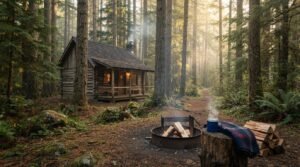
State parks across the country rent primitive wooden cabins for a fraction of what private resorts charge. Booking Monday through Thursday keeps costs low and clears out the weekend family crowds. Surrounded by tall pines and dirt trails, you get direct access to natural daylight cycles.
Cooking over an iron fire ring forces a slower, deliberate pace that grounds your attention. Reserving a cabin through ReserveAmerica often costs under fifty dollars a night. Bring a heavy wool blanket, a French press, and zero expectations for productivity.
4. Off-Season Beach Towns: Low Cost Travel Ideas for People Healing from Burnout
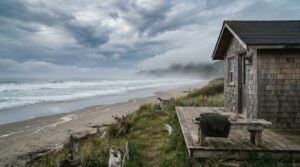
Beach communities turn deeply peaceful once summer tourists pack up and leave in late autumn. Coastal motels and small cottages drop their prices drastically from October to March. You can walk along empty shorelines wrapped in a thick sweater without dodging crowds or paying peak rates.
The rhythmic sound of ocean waves serves as powerful auditory therapy for a fried nervous system. Towns along the Oregon coast or New Jersey shore offer cheap off-season weekly rentals. Packing some groceries and watching coastal fog roll across the water will reset your internal rhythm faster than any expensive seminar.
5. United States Forest Service Fire Lookouts
Renting a decommissioned fire lookout tower places you high above tree canopies with panoramic mountain views. These rentals cost very little per night through Recreation.gov and provide utter isolation from digital noise. There are no notifications, meetings, or traffic sounds up on the ridge.
Spending hours watching cloud patterns shift across distant valleys encourages deep mental decompression. You must pack your own water, sleeping gear, and simple provisions. The reward is waking up to golden sunrises that demand nothing from you except being present.
6. Slow Regional Train Travel on Secondary Lines
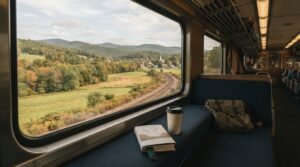
Boarding a scenic regional train takes the friction and exhaustion out of transit. Unlike driving, which demands constant vigilance, sitting in a train car allows you to stare out the window while landscape glides past. Budget rail routes, like Amtrak regional lines, offer cheap coach tickets if booked a few weeks ahead.
The steady rocking motion and wide window views gently activate the brain’s default mode network. Pick a small historic town three hours away, stay in an inexpensive local bed and breakfast, and take the train back. You return rested rather than battered by highway traffic.
7. Educational Farm Stays and Rural Guesthouses
Working farmsteads sometimes host guests in converted barns or simple bunkhouses at budget-friendly rates. Waking up to rooster calls, fresh soil scents, and grazing sheep gently pulls your mind away from digital spreadsheets. These environments connect you to basic physical rhythms without commercial pressure.
Many family farms list spare rooms through local agricultural tourism boards or Harvest Hosts networks. Spending an afternoon sipping fresh cider while watching goats graze offers surprisingly potent emotional restoration. You support small growers while keeping your personal recovery budget completely intact.
8. Shoulder-Season Mountain Towns
Ski towns experience a dramatic lull during the “mud season” between late April and early June, and again in October. Luxury chalets and condos slash rates by up to seventy percent because ski lifts sit idle. You get quiet mountain streets, cool alpine air, and affordable accommodations all to yourself.
Exploring empty alpine trails without the winter bustle provides profound sensory rest. Places like Taos or the White Mountains offer budget lodge rates during these transition weeks. Sit on a cedar deck with hot tea and listen to melting snow or falling leaves in total stillness.
9. Rural Tiny Home Villages
Clusters of tiny houses located on quiet woodlands provide cozy, minimalist shelters designed for rest. Exploring low cost travel ideas for people healing from burnout often leads you to unique spaces like these. The minimalist layout eliminates visual clutter, which helps calm an overwhelmed mind.
Having fewer belongings around you helps trigger mental clarity and emotional uncluttering. Look for independent micro-resorts tucked inside river valleys or nature preserves. Spending a weekend cooking in a single skillet and reading in a sleeping loft strips life down to soothing basics.
10. Rustic Hot Springs and Mineral Baths
Natural mineral hot springs tucked into state lands or undeveloped wilderness areas often require only a cheap day pass or small parking fee. Soaking in warm, mineral-rich water physically forces tight muscles to release chronic tension. Your nervous system shifts out of fight-or-flight mode within minutes of stepping into natural warm pools.
Pairing an afternoon soak with an overnight stay at an adjacent primitive campground keeps expenses near zero. Community springs in places like Idaho or New Mexico offer deep hydrotherapy healing without luxury spa pricing. Pack a cooler of easy meals and let the warm mineral water dissolve accumulated fatigue.

11. Informal House Swaps with Friends and Colleagues
Trading apartments or houses with a trusted acquaintance who lives in a quiet town costs zero accommodation dollars. A simple change of walls, different neighborhood streets, and a new morning coffee routine give you fresh perspective. Because both parties know each other, you avoid the anxiety that comes with commercial rental disputes.
This setup offers immediate environmental novelty without financial pressure. Swap a downtown apartment for a friend’s suburban cottage or countryside home for four days. You get to rest in a lived-in, cozy environment while your friend enjoys your neighborhood.
12. Dispersed Camping on Public Lands
Bureau of Land Management (BLM) territory and National Forests allow free dispersed camping across vast areas of the American West. Converting your vehicle with a simple foam mattress and basic camping stove gives you access to stunning landscapes for free. Sleeping far from city lights restores healthy sleep cycles naturally.
Staring into pitch-black night skies filled with stars offers immense psychological relief and perspective restoration. Camping on public land costs nothing, leaving you free to rest for days without financial guilt. Always follow Leave No Trace principles to keep these wild sanctuaries pristine for everyone.
Frequently Asked Questions
What are the best low cost travel ideas for people healing from burnout on a tight budget?
State park cabins and off-season coastal rentals deliver the highest recovery value for minimal cash. They eliminate commercial noise, keep food costs low through self-catering, and immerse you in natural light. Look for places within a two-hour drive so transit does not drain your remaining energy reserves.
How long should a recovery trip last to actually relieve stress?
Even three to four days of uninterrupted rest can reset your nervous system if you eliminate work notifications entirely. A long weekend spent in nature lowers cortisol and restores normal sleep rhythms. You do not need two weeks off; consistency and complete digital disconnection matter far more than duration.
What should you avoid doing while traveling to recover from exhaustion?
Avoid packed itineraries, crowded tourist traps, and checking work messages. When evaluating low cost travel ideas for people healing from burnout, prioritize simplicity over sightseeing. Resist the urge to turn your trip into an athletic challenge or a photography mission. Give yourself permission to sleep, sit, and do nothing.
Is solo travel better than group travel for stress recovery?
Solo travel usually works best because you avoid negotiating meals, schedules, and social expectations. Traveling alone lets you eat when hungry and sleep whenever your body demands it. If you travel with someone, choose a calm companion who respects quiet time and does not demand constant conversation.
How can you keep food expenses low during a restorative getaway?
Pack a cooler with simple pantry staples, pre-made soups, fresh fruit, and favorite teas before leaving home. Cooking simple one-pot meals in your cabin or rental kitchen saves hundreds of dollars compared to dining out. It also protects you from the sensory overload of noisy, crowded restaurants.
Conclusion
Healing from deep exhaustion starts with giving your mind permission to pause without feeling guilty about the price tag. Pick one simple destination from this list, turn off your work notifications, and let quiet surroundings do their repair work. Where would you go first to get some real peace?