
Finding top vacation sleep schedule tips for night shift workers felt like an impossible mission before my first trip to Italy. I spent the entire first week falling asleep over plates of warm pasta at noon and staring at dark hotel ceilings all night. Working the graveyard shift ruins your body clock, making normal holiday mornings feel completely brutal. You deserve genuine rest on your earned getaway.
Choose Your Transition Strategy Before Packing
Flipping your internal clock takes deliberate planning several days before your departure. Most third-shift workers make the mistake of pulling a 24-hour awake session right after their last shift to force an immediate reset. That rookie mistake triggers heavy brain fog and ruins your first two vacation days with intense physical fatigue. Instead, assess your trip length and destination before committing to a full routine flip.
If you are traveling for a short weekend trip, maintaining a twilight routine causes far less physical stress on your body. You wake up around midday, catch plenty of afternoon sunshine, and enjoy dinners late into the evening. Long international trips, however, demand a steady shift toward local daytime hours. Understanding your biological circadian rhythm helps you decide which strategy protects your precious travel energy without draining your mental battery before you even board.

Use the Anchor Sleep Technique for Short Trips
Maintaining a shared four-hour rest window provides stability when you do not have enough days to completely reverse your sleep pattern. This method works wonders if you work overnight shifts and take a quick three-day getaway with daytime friends. You lock in a core rest block, like 4 AM to 8 AM, regardless of whether you are working or relaxing by the beach.
Fill in the rest of your required sleep with tactical naps during the afternoon or early evening. Sticking to anchor sleep keeps your central nervous system from spiraling into total exhaustion while still giving you prime waking hours to hang out, sightsee, and eat meals together. I used this specific routine during a four-day road trip to Nashville, and it saved me from the horrific grogginess that usually follows a rushed schedule change.
Execute a Gradual Phase Shift for Week-Long Holidays
Extended holidays give you the time needed to systematically move your bedtime toward normal morning hours. Start moving your sleep and wake times forward by two to three hours each day over the course of seventy-two hours before your vacation begins. Going to bed at 10 AM, then 1 PM, and eventually 5 PM gently steps your melatonin cycle closer to local evening hours without shocking your system.
Patience during this transition phase prevents the nasty hormonal headaches and digestive issues common with sudden schedule overhauls. Incorporating these top vacation sleep schedule tips for night shift workers early ensures you actually wake up excited for early morning museum tours and boat rides. Pair this shift with low-intensity movement like walking to encourage natural physical tiredness at your new designated sleep times. A simple gradual phase shift remains the cleanest medical approach to resetting your internal clock safely.
Top Vacation Sleep Schedule Tips for Night Shift Workers in Transit
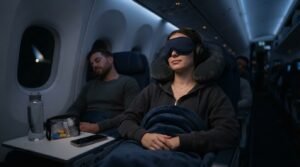
Long travel days on planes, trains, or highways require strict control over your sensory inputs. Change your watch to your destination time zone the second you take your seat, and align your sleeping attempts with that new clock immediately. If it is nighttime at your destination, put on your noise-canceling headphones, strap on an eye mask, and block out the cabin lights.
Never rely on airplane alcohol to knock you out during a flight, because alcohol severely fragments your sleep architecture and dehydrates you rapidly at high altitudes. Bring a specialized travel sleep kit with silicone earplugs, an ergonomic neck pillow, and electrolyte packets to maintain physical equilibrium. I swear by Mack’s silicone earplugs and a contoured Manta Sleep mask, which create total pitch darkness even when the passenger next to you leaves their window shade open during sunrise.
Leverage Sunlight and Darkness Upon Arrival
Natural sunlight is the most potent biological lever you have for setting your master internal clock. When you arrive at your destination, step outside and expose your eyes to unfiltered outdoor light for thirty to forty-five minutes without wearing sunglasses. Sunlight triggers retinal sensors that suppress melatonin production and kickstart cortisol release, instantly signaling your brain that daytime has arrived.
Conversely, you must aggressively block artificial light when you prepare to sleep at your new target bedtime. Hotel rooms are notorious for bright digital clocks, corridor light leaking under doorways, and thin curtains that let morning sunlight flood your bed. Practicing strict light hygiene by dimming bathroom lamps and turning off television screens an hour before sleeping helps your brain ramp up natural melatonin without needing heavy pharmacological sleep aids.

Time Your Meals to Reset Peripheral Clocks
Your liver, stomach, and gut operate their own secondary circadian rhythms based entirely on when food enters your digestive tract. Eating a heavy steak dinner at 2 AM on vacation tells your metabolic organs that it is midday, which keeps your internal systems running at full throttle while your brain tries to sleep. Align your breakfast, lunch, and dinner times strictly with local daylight hours immediately upon landing.
Start your first vacation morning with a high-protein breakfast, such as eggs and Greek yogurt, to send an unmistakable wake-up signal to your digestive organs. Avoid massive carbohydrate-heavy feasts late at night, as they cause glucose spikes that wake you up with night sweats or acid reflux around 3 AM. Proper meal timing acts as a powerful anchor that pulls your entire digestive system into harmony with your new vacation sleep window.
Build a Blackout Sleep Sanctuary Anywhere
Night shift workers know that ambient street noise and unexpected daylight will ruin even the most exhausted sleeper’s rest. Pack a small travel roll of painter’s tape and heavy-duty binder clips to secure hotel curtains together and eliminate stubborn light gaps along the walls. Remember that one of the top vacation sleep schedule tips for night shift workers is keeping your sleeping environment completely pitch-black and chilly.
Set the hotel thermostat to sixty-five degrees Fahrenheit, because a drop in core body temperature is an essential trigger for deep, restorative sleep. Run a portable white noise machine or a mobile app like myNoise to drown out early housekeeping carts, slamming hallway doors, and city traffic. Investing in complete sleep environment control guarantees that outside interruptions will not sabotage your hard-earned vacation rest.

Plan the Post-Vacation Night Shift Return
Returning to the graveyard shift after days of blissful daylight living requires just as much intention as preparing for the trip itself. Give yourself at least a twenty-four to thirty-six hour buffer window between arriving home and clocking in for your first overnight shift. Coming straight from the airport to the hospital or factory floor is a surefire recipe for dangerous physical burnout.
Stay awake late the night before your first shift back, sleeping in until early afternoon so you wake up close to your usual work schedule. Use strategic, small doses of caffeine early in your shift rather than chugging energy drinks in the middle of the night. Having a realistic re-entry plan protects the relaxation benefits of your holiday and keeps you sharp, safe, and productive when duty calls again.
Frequently Asked Questions
Should I stay on my night shift schedule if my vacation is only three days?
Yes, sticking to your nocturnal hours or using an anchor sleep routine is much smarter for brief trips. Completely flipping your biological clock takes several days, so trying to reset for a three-day weekend will leave you exhausted during both your trip and your return to work.
How do I handle caffeine when adjusting my vacation sleep schedule?
Cut off all caffeine intake at least eight hours before your intended bedtime. While coffee helps you push through morning grogginess during a daytime transition, late caffeine lingers in your bloodstream, preventing deep restorative sleep. Stick to water and herbal teas during the evening hours.
What are the top vacation sleep schedule tips for night shift workers traveling across multiple time zones?
Use the Timeshifter app to build a personalized schedule for light exposure, caffeine, and melatonin. Adjust your watch to the destination time zone immediately upon boarding. Prioritize outdoor sunlight as soon as you land to help your brain sync rapidly with the local day-night cycle.
Is it safe to use melatonin supplements to flip my sleep schedule on vacation?
Low doses of melatonin, around 0.5 to 3 milligrams taken thirty minutes before your target bedtime, can help jumpstart your reset. Keep the dosage low to avoid morning grogginess. IMO, natural light exposure during the day remains far more effective for long-term circadian alignment.
What should I do if I wake up at 3 AM wide awake while on vacation?
Do not lie in bed staring at the ceiling or checking your smartphone. Get out of bed, sit in a dimly lit chair, and read a physical book until drowsiness returns. Keeping your bed associated purely with sleep prevents middle-of-the-night anxiety from compounding.
Conclusion
Balancing shift work with a restorative holiday takes a bit of deliberate prep, but having energy to actually enjoy your travels is worth every minute. Protect your rest, embrace the daylight, and give yourself grace while your body adjusts to vacation mode. Which strategy are you going to try on your next getaway?