
Finding a simple travel planning guide for lactose intolerant eaters felt completely impossible when I first started traveling solo a few years ago. I spent an entire weekend in Rome surviving on plain bread and olives because I was too scared to order anything with cheese. That miserable trip changed everything for me, and I swore I would never let my stomach ruin a vacation again.
Research Your Destination’s Dairy Culture Before You Book
Some countries hide dairy in everything, and others barely use it at all. Before I book a flight, I spend about twenty minutes reading about the local cuisine and how heavily it relies on butter, cream, and cheese. France and Italy are gorgeous but tricky. Thailand and Japan are surprisingly easy. Knowing this upfront helps me pick restaurants and neighborhoods that will not turn every meal into a guessing game. I also check Reddit threads and Facebook groups for dairy-free travelers who have visited recently. Their real-time tips beat any generic blog post every single time. Southeast Asia became my favorite region partly because coconut milk replaces dairy in so many traditional dishes, making eating out feel effortless instead of stressful. Even within Europe, countries like Greece lean heavily on olive oil rather than butter, which opens up way more options than you might expect.
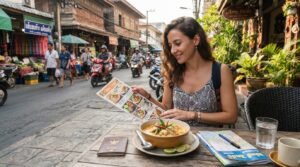
A Simple Travel Planning Guide for Lactose Intolerant Eaters Lives on Your Phone
I keep a dedicated folder on my phone with everything I need to eat safely abroad. It holds screenshots of restaurant menus I found online, a saved Google Map with dairy-free friendly spots pinned, and a PDF of my allergy translation card in the local language. The app Find Me Gluten Free actually works well for dairy-free searches too, since many restaurants that cater to one restriction handle the other. I also save the addresses of nearby grocery stores where I can grab oat milk, fruit, and safe snacks. Having all of this ready before I land means I never stand on a street corner hungry and panicked at nine o’clock at night. IMO, the ten minutes you spend organizing this folder at home saves you hours of stress on the ground.
Learn the Local Words for Milk, Cheese, and Butter
You do not need to become fluent, but knowing five or six food-related words in the local language can save your gut. I always learn how to say “no milk,” “no cheese,” “no butter,” and “I am allergic to dairy” in whatever language my destination speaks. In Spain, that means “sin leche” and “sin queso.” In Germany, “ohne Milch” and “ohne Käse.” I write these on a small card I keep in my wallet and show it to servers when my pronunciation falls apart. Most people appreciate the effort and go out of their way to help, even when the language barrier is thick. The website Select Wisely offers free printable allergy cards in dozens of languages, and I have used them in four different countries without a single misunderstanding.

Pack a Dairy-Free Emergency Kit in Your Carry-On
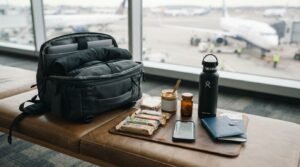
Airport food and long layovers are where things usually go wrong for me. Every simple travel planning guide for lactose intolerant eaters should mention packing snacks, and I cannot stress this enough. I pack a small ziplock bag with lactase enzyme pills, a couple of dairy-free protein bars, and a few packs of crackers I know are safe. The brand Enjoy Life makes snack bars that are free from all major allergens, and they travel well without melting into a sad lump. Lactase pills are not a perfect fix for everyone, but they give me a safety net when I accidentally eat something with hidden whey powder. I also toss in a small container of almond butter because it pairs with almost anything and keeps me full when meal options are slim.
Scout Restaurants Before You Leave the Hotel Each Morning
Winging it at dinner sounds adventurous until you are staring at a menu full of cream sauces and melted gruyère. This is the part of a simple travel planning guide for lactose intolerant eaters that most people skip, and it is the part that matters most. Every morning, I spend ten minutes looking up two or three restaurants near wherever I plan to be that evening. I check their menus online, read recent reviews from other dairy-free diners, and save the addresses in my maps app. This tiny habit has saved me from more bad meals than I can count. In Barcelona, I found a fully vegan tapas bar this way that served the best patatas bravas of my life. A little prep goes a long way when your stomach is on the line, and it takes almost zero effort once it becomes part of your morning routine.
Talk to Your Server Without Making It Weird
I used to feel guilty asking about ingredients, like I was being a difficult customer. That changed when a waiter in Lisbon told me he preferred knowing upfront rather than dealing with a sick guest later. Now I keep it simple and direct. I smile, point to my translation card, and say something like “I cannot eat dairy, what do you recommend?” Most servers genuinely want to help and will steer you toward safe dishes you might have overlooked. If a restaurant cannot accommodate you at all, that is useful information too. Better to walk out early than suffer through a meal you will regret for the next twelve hours. I have also learned that calling ahead during off-peak hours gets you much better answers than asking during a packed dinner rush.
Choose Accommodations With a Kitchen or Kitchenette
Booking an Airbnb or aparthotel with even a tiny kitchen has been one of the smartest moves I have made as a dairy-free traveler. Having a fridge and a stovetop means I can make my own breakfast instead of gambling on a hotel buffet loaded with cream and butter. I usually stock up on oat milk, fresh fruit, and dairy-free bread from a local market on my first day. This saves money and completely removes the stress of navigating a foreign breakfast menu when you are jet-lagged and hungry. Even a simple kettle in the room lets you make instant oatmeal, which is a reliable fallback when everything else feels uncertain. I stayed at a tiny studio in Kyoto with just a hot plate and a mini fridge, and I ate better breakfasts there than at any hotel on that trip.

Frequently Asked Questions
Can I eat at Italian restaurants if I am lactose intolerant?
Absolutely, but you have to be selective. Many pasta dishes use butter or cream sauces, so stick to tomato-based options like marinara or aglio e olio. Hard aged cheeses like Parmigiano-Reggiano are naturally very low in lactose, so a small amount is usually fine for most people. Just ask before ordering.
Do lactase enzyme pills actually work while traveling?
They help with small amounts of hidden dairy, but they are not a free pass to eat a whole wheel of brie. I take them as a backup when I am unsure about cross-contamination or sneaky ingredients. Results vary by person, so test them at home before you rely on them in a foreign country.
What is the easiest country to visit as a dairy-free traveler?
In my experience, Thailand and Vietnam are the easiest because traditional cooking relies on coconut milk instead of dairy. Japan is also very manageable if you avoid certain baked goods and creamy sauces. You will find plenty of naturally dairy-free meals without needing to make special requests at every restaurant.
How do I find dairy-free groceries in a foreign city?
Search for health food stores or large supermarket chains in the area, since they usually stock oat milk, almond yogurt, and dairy-free snacks. The app HappyCow is great for finding nearby shops and restaurants that cater to plant-based diets. I also ask hotel staff for recommendations because they know the neighborhood better than any app.
Is street food safe for lactose intolerant travelers?
Street food can be a great option because many vendors cook with oil instead of butter, especially in Asian and Latin American countries. The risk comes from hidden ingredients like condensed milk in desserts or cheese sprinkled on top. Watch the vendor prepare your food and ask about dairy before you hand over your cash.
Should I avoid all cheese if I am lactose intolerant?
Not necessarily. Hard aged cheeses like cheddar, Parmesan, and Swiss contain very little lactose because the aging process breaks most of it down. Many lactose intolerant people handle small amounts of these without any issues. Soft fresh cheeses like mozzarella, ricotta, and cream cheese are the real troublemakers, so those are the ones I avoid completely.
Conclusion
Traveling with lactose intolerance used to stress me out more than the actual trip itself, but a little preparation genuinely fixes most of the problems before they start. Once you build these small habits into your routine, eating well abroad stops feeling like a chore and starts feeling like just another part of the adventure. What is the one dairy-free travel tip you absolutely swear by?