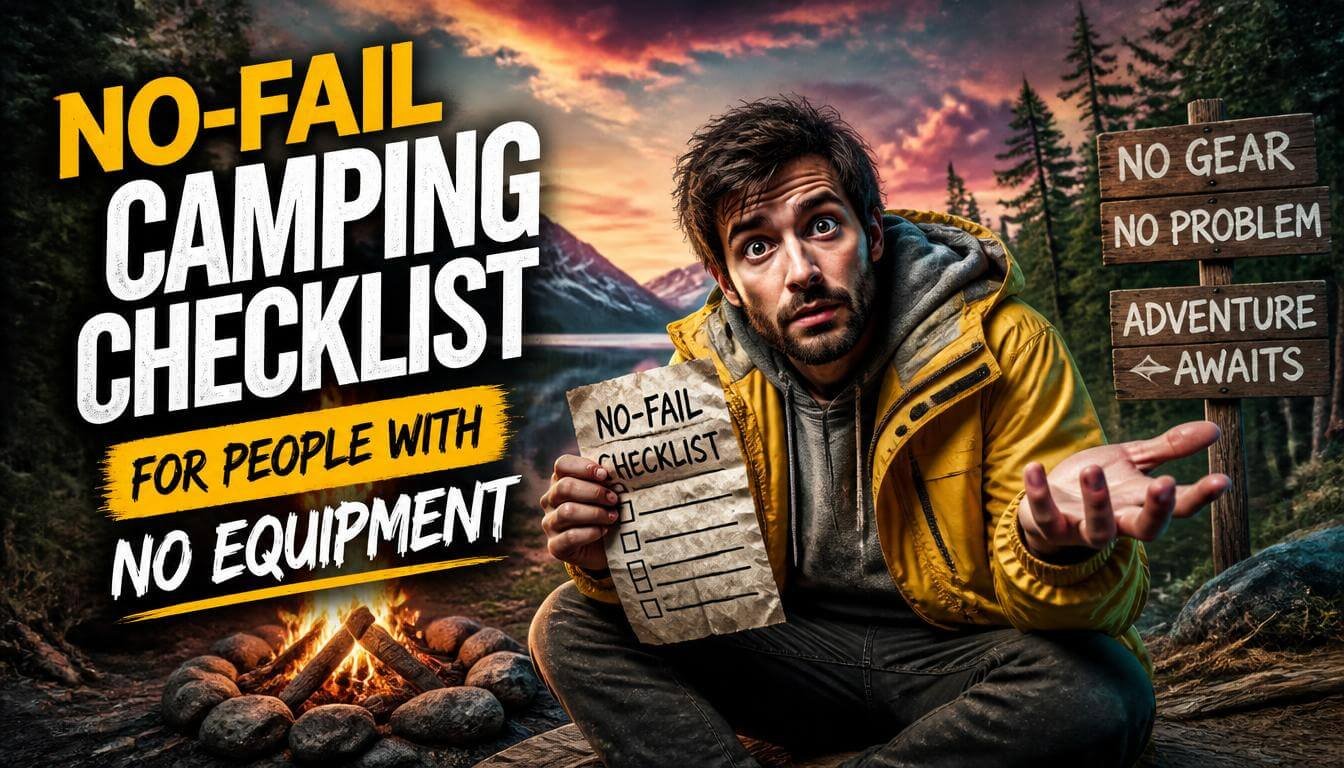
Our no-fail camping checklist for people with no equipment is your ticket to the pine woods without spending money. You want to roast marshmallows over an open fire, but the massive price tag of retail gear keeps you stuck inside. Honestly, you do not need to own a single piece of high-tech gear to have an incredible weekend sleeping under the stars.
1. A Loaner Tent (The Hero of Your No-Fail Camping Checklist for People With No Equipment)
Borrowing a tent from a coworker or neighbor is the absolute best way to secure shelter without spending a dime. Most people who buy high-end outdoor gear only use it once or twice a year, meaning beautiful domes sit dusty in suburban garages right now.
Using a borrowed tent saves you hundreds of dollars while allowing you to test out sizes. I once borrowed a massive six-person cabin tent for a solo trip, and it kept me dry during a heavy midnight thunderstorm.
2. Layered Yoga Mats
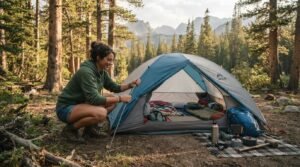
Sleeping directly on the hard ground drains your body heat and leaves you bruised by morning. Instead of buying an expensive insulated inflatable mattress, you can stack two thick foam yoga mats on top of each other.
This simple setup provides surprisingly decent cushioning and acts as a basic thermal barrier against the cold earth. To make it even cozier, lay a heavy winter comforter over the mats before you lay your sleeping bag down.
3. Household Duvets and Quilts
Ditching the traditional sleeping bag is entirely acceptable if you stay at a low-altitude drive-in campsite during summer. Packing several heavy blankets, duvets, and fluffy pillows from your guest closet works just as well as synthetic insulation.
Your bed at home is already optimized for comfort, so bringing those familiar layers makes the tent feel like a cozy sanctuary. Just make sure to pack them in heavy-duty trash bags during transport to keep them completely dry.
4. Finding Your Way with Utility Flashlights
Finding your way around a pitch-black campsite is incredibly difficult without a dedicated light source. While your smartphone has a built-in flashlight, using it constantly will drain your battery before you can even roast a marshmallow.
Grabbing a cheap emergency flashlight from your utility drawer or a hands-free led headlamp from your garage is a superior option. I always wrap a headlamp around a translucent gallon jug of water to create an instant lantern that lights up the entire tent.
5. A Standard Backyard Cooler
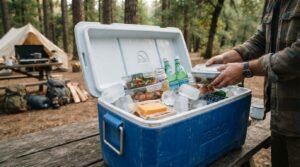
Keeping your food fresh and drinks cold does not require a heavy-duty rotomolded cooler that costs hundreds of dollars. Any basic plastic chest you use for backyard barbecues will work perfectly for a weekend trip.
Pre-chilling your cooler with ice overnight before loading your actual food ensures that your block ice lasts twice as long. FYI, freezing large water jugs instead of buying bags of loose cubes prevents them from melting quickly and turning your hot dogs into a soggy mess.
6. A Portable Charcoal Grill
Cooking over an open fire sounds incredibly romantic, but it is actually quite difficult to control the heat for raw meat. Bringing a small portable tailgating grill or even a simple metal grate to place over the park fire ring is much more reliable.
This setup allows you to cook burgers, foil packet meals, and morning sausages without scorching them. Using charcoal briquettes gives you consistent, manageable heat that makes preparing meals stress-free for a camping beginner.
7. Cast Iron Cookware
Packing lightweight titanium camping pots is a waste of money when you already have heavy pans in your kitchen. A classic cast iron skillet is the undisputed king of outdoor cooking because it can handle direct flames without wrapping or warping.
You can cook eggs, sear steaks, and even bake biscuits directly over the hot coals with this rugged kitchen staple. Just remember to pack a thick silicone oven mitt because that metal handle gets hot enough to cause serious burns.
8. Household Lawn Chairs
Sitting on a damp log or a cold picnic bench quickly ruins a relaxing evening by the campfire. You do not need ultra-light, high-tech backpacking chairs to enjoy the outdoors comfortably.
Dragging some simple patio furniture or metal folding chairs out of your house is a perfect zero-cost solution. These familiar seats provide excellent back support and are often much sturdier than tiny, expensive camp chairs that sink directly into the mud.
9. Multi-Use Contractor Bags
Heavy-duty trash bags are the ultimate secret weapon for campers who do not own fancy waterproof storage bins. This no-fail camping checklist for people with no equipment relies heavily on repurposing everyday items to keep things simple and cheap.
You can use them as a makeshift ground tarp under your tent, rain ponchos during sudden downpours, or laundry bags for dirty clothes. Placing one inside your car trunk before loading muddy gear also protects your upholstery from stubborn stains.
10. Rummaging for Old Bathroom Towels
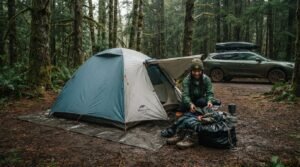
Rummaging through your linen closet for old, stained bath towels is a smart move before you head out. Campgrounds are notoriously dusty, and dew will cover everything outside your tent by six in the morning.
Having a stack of worn-out towels allows you to quickly dry off the picnic table, wipe down muddy shoes, and clean up unexpected kitchen spills. I always keep one dedicated towel right inside the tent door to wipe my feet before crawling inside.
11. Ziploc Bags and Aluminum Foil
Prepping your meals at home in plastic storage bags is a brilliant way to save time and reduce trash at the campsite. Instead of bringing entire boxes of cereal or raw vegetables, portion everything out into labeled bags before you leave your kitchen.
Heavy-duty foil is another lifesaver because you can wrap potatoes, onions, and meat into foil packets to cook directly on charcoal embers. This method eliminates the need for washing messy pots and pans, which is always the worst chore of any camping trip.
12. A Classic Deck of Cards
Unplugging from screens is one of the greatest benefits of spending a weekend in nature, but you still need entertainment after the sun goes down. A simple, inexpensive deck of playing cards is, IMO, the ultimate lightweight camp entertainment.
You can play dozens of games around the picnic table by the warm glow of your lantern. Bringing a deck of cards ensures you have something fun to do if an unexpected rainstorm keeps you stuck inside your tent for a few hours.
13. Reusable Grocery Store Jugs
Hydrating properly is crucial when you are spending all day outside in the wind and sun. This no-fail camping checklist for people with no equipment ensures you stay fully hydrated without buying specialized containers.
Instead, wash out a few plastic juice bottles or purchase some pre-filled gallon water jugs from your local grocery store. This approach provides plenty of water for drinking, cooking, and washing hands without requiring you to buy specialty storage gear.
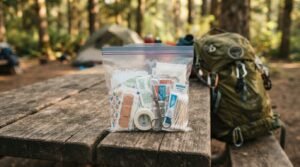
14. A Homemade First Aid Kit
Safety should always be your top priority, but buying a pre-packaged survival kit with tactical scissors is rarely necessary for campground visits. You can build a perfectly functional emergency kit using a simple plastic freezer bag from your pantry.
Fill it with standard adhesive bandages, antiseptic wipes, ibuprofen, and a small roll of medical tape. Having this DIY medical pack on hand gives you peace of mind for minor cuts or blisters without costing extra money.
15. Everyday Toiletries in Travel Bottles
Gathering your hygiene essentials is easy because you already use these items every single day at home. There is absolutely no reason to buy expensive, outdoors-branded biodegradable soaps unless you are backpacking into a protected wilderness area.
Simply squeeze some of your regular body wash, shampoo, and dish soap into small travel-sized bottles you saved from previous hotel stays. This simple habit keeps your packing list lightweight and utilizes resources you already have in your bathroom drawers.
16. A Roll of Heavy-Duty Duct Tape
Slipping a roll of strong tape into your car trunk is the best insurance policy against broken camping gear. If a tent pole cracks, a shoe sole comes loose, or a garbage bag rips, duct tape will save the day instantly.
You do not need specialized repair kits when a classic roll of silver tape can patch almost any fabric or plastic surface in seconds. I always wrap a few yards of tape around my water bottle so I have it handy without carrying the whole heavy roll.
17. Comfortable Running Shoes
Wearing expensive stiff leather hiking boots often leads to painful blisters if you are not used to them. For most standard drive-in campgrounds, a solid pair of broken-in sneakers or running shoes is actually the superior choice.
These familiar shoes provide plenty of grip and flexibility for walking around the dirt paths and gathering firewood. Just bring an extra pair of dry socks to change into because nothing ruins a camping trip faster than cold, wet feet.
FAQs
Is a no-fail camping checklist for people with no equipment actually realistic for beginners?
Absolutely, because most backyard campgrounds provide excellent amenities like clean bathrooms and running water. You do not need extreme wilderness survival gear to enjoy a relaxed weekend under the stars. By using household items and borrowing the basics, you can easily experience the outdoors without making a massive financial commitment upfront.
Where can I rent camping gear if I cannot borrow it?
Many local university recreation centers, state parks, and outdoor retail co-ops like REI offer affordable rental programs for beginners. You can rent high-quality tents, sleeping pads, and camp stoves for a fraction of their retail price. This is an incredible way to try top-tier equipment before committing to a purchase.
What is the most important thing to pack when you have zero gear?
Warm layers and dry bedding should be your top priority. You can easily survive a chilly night without a fancy camp stove by packing cold meals, but you cannot sleep comfortably if you are shivering. Bringing plenty of thick blankets and a dry change of clothes keeps you safe and warm.
Can I use a regular air mattress inside a tent?
Yes, standard indoor inflatable mattresses work perfectly inside any tent that is large enough to fit them. Just remember that they do not have outdoor insulation, so you must lay a thick blanket on top of the mattress before adding your sheets to block the cold air underneath you.
How do I wash dishes at a campground without a portable sink?
You can easily wash dishes using two simple plastic storage bins from your house. Fill one tub with warm water and biodegradable soap, and fill the second tub with clean rinse water. Wipe your plates clean with a reusable rag to save water and keep the camp area clean.
Conclusion
Sleeping under the stars does not have to cost a fortune or require a garage full of high-tech gear. By raiding your home closets and borrowing the big-ticket items from friends, you can easily plan a memorable and cozy outdoor getaway. What is the one household item you are definitely bringing on your next campout?